
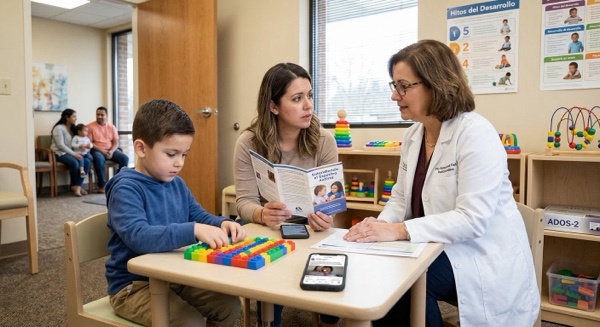
Autism is a neurodevelopmental condition related to differences in how the brain develops and processes information. It can manifest in very different ways and affect communication and social interaction, interests, behaviors, and the way of perceiving the environment. It is referred to as a spectrum because there is no single form of autism: each person presents different characteristics, abilities, and, most importantly, different needs, which can also change throughout life.
The visibility of ASD in the era of social media
In a life immersed in social media, as it is now, autism has gained enormous visibility. This greater exposure has undeniable positive aspects: families recognize signals, characteristics, signs, and difficulties that were previously unseen or went unnoticed.
However, who hasn't been scared after watching a video of an influencer talking about a condition or disorder and thought that the same thing could be happening to us or a family member? Who hasn't been alarmed by the so-called "red flags" and suddenly seen them in their own children or in themselves? It is quite possible that we are worrying about behaviors that are relatively common during child development, and that we end up excessively monitoring the child's behaviors.
Faced with a reasonable concern, the solution should not be to accumulate videos or lists of symptoms on the internet, but to discuss it with a healthcare professional who knows how to assess development globally.
The clinical diagnostic process and the importance of support
There is no blood test, genetic test, or MRI that can diagnose autism. The diagnosis is strictly clinical and requires a good, detailed history based on development, observation, and specialized assessment, which can be supported by various standardized tools.
In young children, screening questionnaires are used to help identify who needs a more in-depth assessment. Once specialized care is required, the gold-standard standardized tools include the ADOS-2 and the ADI-R, and none of them should be interpreted in isolation.
Regarding treatment, it is more appropriate to speak of support and intervention. The goal is not to "eliminate" the condition, but to favor and facilitate communication, learning, autonomy, relationships, and, ultimately, quality of life. Medications do not treat autism, although they can help if there are associated problems, such as anxiety, behavioral alterations, attention difficulties, or sleep disorders, among other associated conditions.